Food as Medicine – The Power of Nutrition for Body and Mind
Research shows the right diet can reduce depression by 33% and be as effective as antidepressants. Learn how food affects your brain, mood, and weight – and how you can use nutrition as a powerful tool for change.
Author: Georgios Gultidis
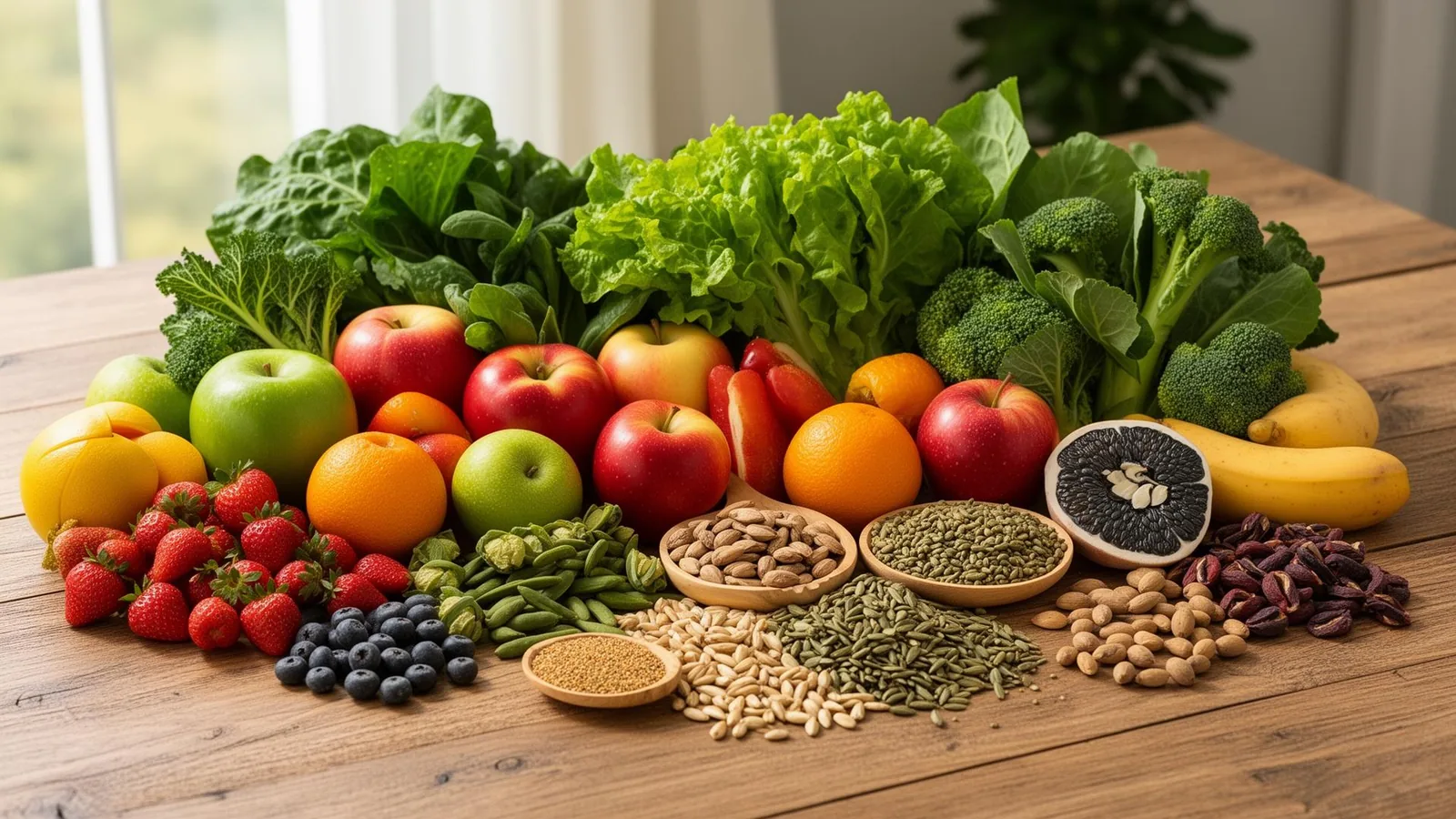
The food we eat doesn't just affect our weight – it affects our brain, our mood, and our ability to handle stress. Modern research shows that the right diet can be as effective as medication for treating depression and anxiety.
During my heaviest years, I didn't eat to nourish my body. I ate to numb the pain. I didn't know then that the food I chose reinforced the darkness.
The Science: Food and Mental Health
The connection between diet and mental health is now scientifically established. A meta-analysis published in Psychosomatic Medicine (2019) of 41 studies with over 80,000 participants showed that a healthy diet reduces the risk of depression by 33%.
The groundbreaking SMILES study (Supporting the Modification of Lifestyle in Lowered Emotional States), published in BMC Medicine (2017), was the first randomized controlled trial specifically examining dietary change as treatment for clinical depression:
- Participants received either dietary treatment or social support
- After 12 weeks, 32% of the diet group achieved remission compared to only 8% in the control group
- The effect was four times greater than the placebo effect
The Gut-Brain Axis: Your "Second Brain"
Your gut contains approximately 500 million nerve cells and produces over 90% of the body's serotonin – the "happiness hormone." This connection is called the gut-brain axis.
Research published in Nature Reviews Neuroscience (2021) shows that:
- Gut flora communicates directly with the brain via the vagus nerve
- Inflammation in the gut can lead to brain inflammation, linked to depression
- Probiotics can affect mood and anxiety – so-called "psychobiotics"
A study in Gastroenterology (2019) showed that probiotic bacteria can reduce depression symptoms by 24% and anxiety by 22%.
Chronic Inflammation: The Silent Enemy
Unhealthy diet – especially ultra-processed food, refined sugar, and bad fats – drives chronic low-grade inflammation in the body.
Research in JAMA Psychiatry (2019) showed that people with the highest inflammation markers had 46% higher risk of depression. Inflammation affects:
- Brain neurotransmitters (serotonin, dopamine)
- Neuroplasticity – the brain's ability to adapt
- Stress response via the HPA axis
The Mediterranean Diet's Powerful Protection
The Mediterranean diet – rich in olive oil, fish, vegetables, fruits, legumes, and whole grains – has the strongest scientific support.
The PREDIMED study (2013), one of the largest diet studies ever with 7,447 participants, showed that the Mediterranean diet:
- Reduces cardiovascular disease risk by 30%
- Reduces type 2 diabetes risk by 52%
- Protects against cognitive decline and dementia
A follow-up analysis in European Journal of Nutrition (2020) showed that the Mediterranean diet reduces depression risk by 33%.
Evidence-Based Practical Principles
Here are research-based dietary principles that helped me:
Prioritize:
- Omega-3 fatty acids (fatty fish 2-3 times/week) – reduces inflammation and improves brain function
- Whole grains instead of white flour – more stable blood sugar
- Colorful vegetables and berries – antioxidants that protect the brain
- Legumes and nuts – protein and fiber that satisfy
- Fermented foods (sauerkraut, kefir, yogurt) – supports gut flora
Limit:
- Ultra-processed food – linked to 44% higher depression risk
- Added sugar – drives inflammation and blood sugar swings
- Trans fats and bad fats – damage brain cell membranes
- Excessive alcohol – destroys gut flora and increases depression
My Transformation Through Food
When I changed my diet, I noticed the difference within weeks. It wasn't about counting calories or following a strict diet – it was about nourishing my body with real food.
Instead of fast food that numbs, I chose food that heals. Instead of sugar that gives short-term comfort, I chose nutrition that builds long-term strength.
Food became my medicine. And it can become yours too.
Nothing is impossible. Food is medicine – and every meal is a chance to heal.
References
-
Jacka FN, et al. "SMILES trial." BMC Medicine, 2017. DOI: 10.1186/s12916-016-0768-5
-
Firth J, et al. "Dietary improvement and depression." Psychosomatic Medicine, 2019. DOI: 10.1097/PSY.0000000000000673
-
Estruch R, et al. "PREDIMED trial." NEJM, 2013. DOI: 10.1056/NEJMoa1200303
-
Cryan JF, Dinan TG. "Gut-brain axis." Nature Reviews Neuroscience, 2012. DOI: 10.1038/nrn3346