Silent Fire in the Body – How Chronic Inflammation Sabotages Your Weight Loss
Chronic low-grade inflammation is the invisible opponent in your weight battle. It blocks hormones, damages gut bacteria and creates metabolic chaos. Understand what triggers it – and how to put out the fire.
Author: Georgios Gultidis
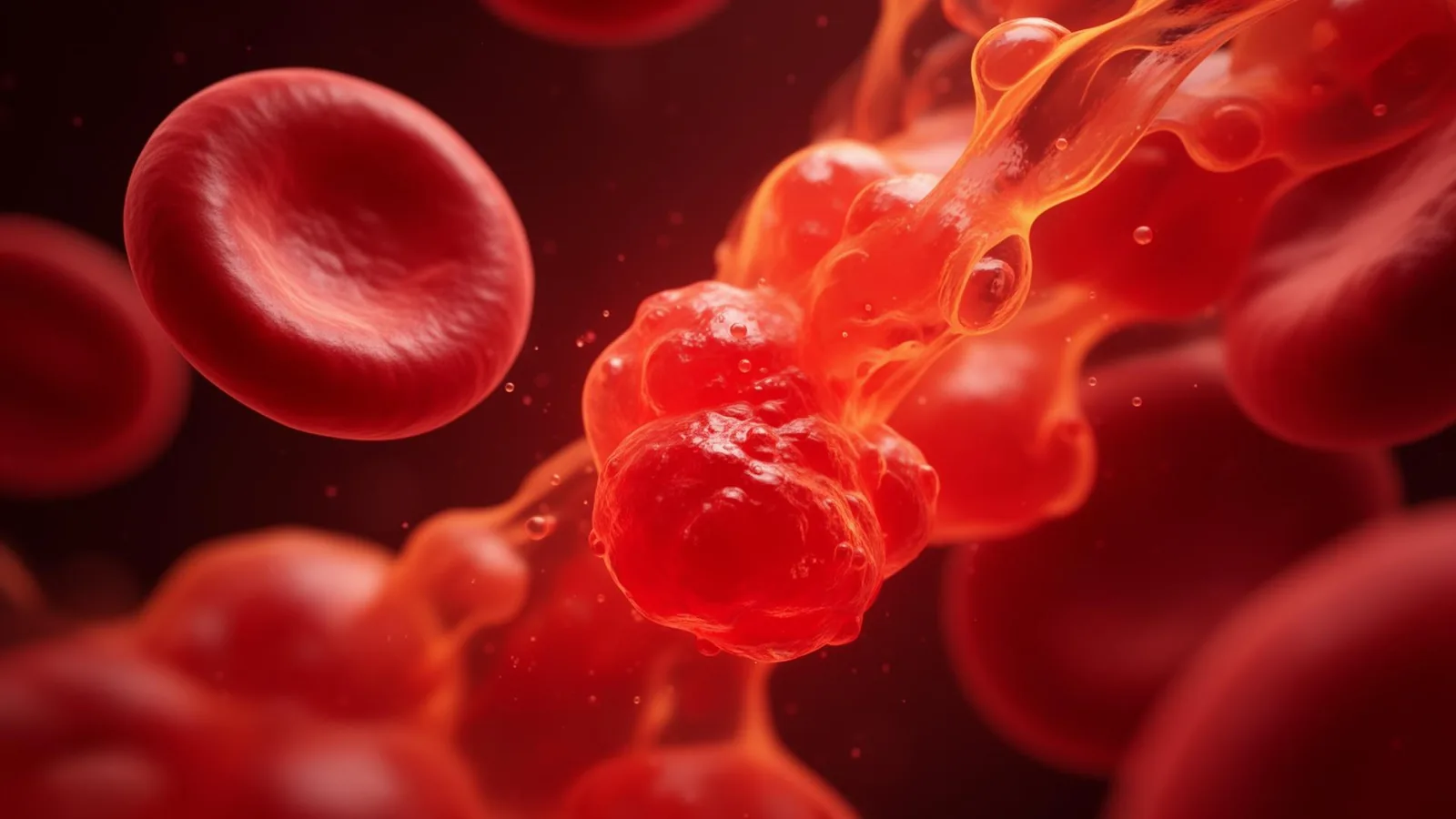
The Fire Nobody Can See But Everyone Can Feel
When I weighed 197 kilos, I was always tired. Never rested. My joints ached. My concentration was poor. Digestive problems chronic. I did not understand it then – but my body was burning with an inflammation that had eaten into every system.
Chronic low-grade inflammation is one of the most underestimated factors behind obesity, and one of the most documented obstacles to successful weight loss. It is not a condition you can see on an X-ray or notice on a blood test you never take. It is a systemic state that gradually destroys metabolic function, hormonal balance, and mental wellbeing.
During my heaviest years, I did not even know the inflammation existed. I thought the fatigue was laziness, that the joint pain was inevitable at my weight, that the brain fog was stress. It took years to understand that all these symptoms had a common root – and that root was inflammatory.
Why Modern Society Is Burning from Within
We live in a paradox: never has humanity had better access to medical care, and never has chronic inflammation been so widespread. The WHO Global Health Report (2023) identifies chronic inflammation as the common denominator behind the five leading causes of death in the Western world: cardiovascular disease, cancer, chronic lung disease, type 2 diabetes, and Alzheimer's.
Research at Harvard T.H. Chan School of Public Health (2023) shows that up to 60% of all chronic diseases have an inflammatory component. It is not just a contributing factor – it is often the primary driver.
What Is Inflammation – And When Does It Become Dangerous?
Acute Inflammation – The Body's Rescuer
Acute inflammation is life-saving. When you cut yourself, the immune system responds immediately – blood flow increases, white blood cells rush to the area, tissue swells and heals. This type of inflammation is time-limited, local, and proportional. It activates when needed and shuts off when the job is done. The entire process typically takes 3–7 days.
Chronic Low-Grade Inflammation – The Silent Threat
Chronic low-grade inflammation is a completely different matter. It is the immune system in a permanent, low-intensity state of alarm. There is no visible wound. There is no infection to fight. But inflammatory markers like CRP (C-reactive protein), IL-6 (interleukin-6), and TNF-alpha (tumor necrosis factor-alpha) are elevated week after week, month after month, year after year.
Think of it as a fire alarm that never stops sounding – not because there is a fire, but because the system is stuck in alarm mode. The body wastes resources fighting a threat that does not exist, and in the process damages its own tissues and systems.
Research at Uppsala University (2022) shows that chronically elevated inflammatory markers predict future obesity with statistical significance – and that being overweight in turn further drives inflammation. The relationship is circular and self-reinforcing.
Inflammation's Molecular Mechanisms
At the cellular level, chronic inflammation is a cascade of signaling molecules that activate and amplify each other:
-
NF-κB signaling pathway: The central regulator of inflammatory response. When chronically activated, it produces a constant stream of proinflammatory cytokines.
-
Prostaglandins and leukotrienes: Fatty acid derivatives that drive pain, swelling, and tissue damage during chronic overproduction.
-
Free radicals (ROS): Reactive oxygen species that damage cell membranes, DNA, and proteins. Chronic inflammation dramatically increases ROS production.
-
NLRP3 inflammasome: A recently discovered intracellular complex that functions as an "inflammation amplifier" and is activated by metabolic stress, especially in obesity.
How Inflammation Directly Sabotages Weight Loss
Inflammation attacks the specific biological mechanisms you need for weight loss. It literally makes every aspect of weight loss harder – from hormonal balance to energy production to psychological motivation.
1. Insulin Resistance – The Metabolic Blockade
Inflammatory molecules, particularly TNF-alpha, block insulin signaling in cells by interfering with insulin receptor substrate-1 (IRS-1). Cells do not absorb glucose efficiently. Blood sugar remains high. The pancreas pumps out more insulin. High insulin signals the body to store fat – not burn it.
A meta-analysis in Diabetes Care (2021) shows that patients with elevated inflammatory markers achieve 40% worse weight loss with identical dietary interventions compared to patients with normal levels. Same diet, same caloric deficit – but 40% worse results. That is the power of inflammation.
Research at Sahlgrenska Academy (2023) further showed that inflammation-driven insulin resistance specifically affects muscle cells more than fat cells – meaning the body prioritizes fat storage over muscle building. That is exactly the opposite of what you want during weight loss.
2. Leptin Resistance – The Satiety Signal That Cannot Get Through
Leptin is a satiety hormone produced by fat cells. Inflammation disrupts leptin signaling to the brain. The mechanism is specific: inflammatory cytokines activate SOCS3 (Suppressor of Cytokine Signaling 3) in the hypothalamus, which physically blocks leptin receptor signal transmission. You produce plenty of leptin – but the brain does not "hear" the signal. Result: you eat more than you need, constantly.
Research at Rockefeller University (2022) shows that leptin resistance in obesity is almost entirely inflammation-driven. Addressing inflammation can restore leptin sensitivity within weeks.
3. Cortisol Elevation – The Stress Hormone Amplification Loop
Inflammation triggers cortisol production via the HPA axis. Cortisol drives fat storage specifically in the abdominal region and increases appetite by stimulating neuropeptide Y (NPY) in the hypothalamus.
But it does not stop there. Cortisol itself drives inflammation by stimulating the NF-κB signaling pathway. We have an amplification loop: inflammation → cortisol → more inflammation → more cortisol → more belly fat → more inflammation.
4. Gut Permeability – "Leaky Gut" and Systemic Inflammation
Chronic inflammation damages intestinal walls by breaking down tight junctions. "Leaky gut" allows bacterial toxins, specifically lipopolysaccharides (LPS), to enter the bloodstream.
LPS are extremely proinflammatory – they activate Toll-like receptor 4 (TLR4) on immune cells and trigger a massive inflammatory cascade. Research at Lund University (2023) shows that blood LPS levels in people with obesity can be 2–3 times higher than in normal-weight individuals.
5. Mitochondrial Dysfunction – The Energy Factories Shutting Down
Inflammation damages mitochondria – the cell's energy factories. Damaged mitochondria produce less ATP (energy) and more ROS (free radicals), which in turn drives more inflammation.
Research at the University of Cambridge (2023) shows that mitochondrial dysfunction in chronic inflammation can reduce basal metabolic rate (BMR) by up to 12% – meaning you burn 200–300 fewer calories per day just from being inflamed.
6. Thyroid Suppression
Inflammation affects thyroid function by inhibiting the conversion of T4 (inactive thyroid hormone) to T3 (active thyroid hormone) in the liver and kidneys. Lower T3 means lower metabolism, more fatigue, and harder weight loss.
A study in Thyroid (2022) shows that people with chronic inflammation have on average 15% lower T3 levels.
The Biggest Inflammation Drivers You Can Control
1. Ultra-Processed Food – The Chemical Fire
A study in Nutrients (2023) shows that a diet rich in ultra-processed food raises CRP levels by an average of 67% compared to an unprocessed diet with identical macronutrients. Same calories, same protein, same fat – but 67% more inflammation.
Key mechanisms: AGEs (Advanced Glycation End products), emulsifiers that damage gut lining, high-fructose corn syrup activating liver inflammation, trans fats increasing membrane rigidity.
2. Sleep Deprivation – The Immune System's Short Circuit
Fewer than 6 hours of sleep per night increases IL-6 by up to 40% and CRP by 25% – measured the day after a single poor night. Research at the University of California (2023) showed that three nights of sleep restriction activated NF-κB to levels comparable to acute infection.
3. Belly Fat – The Active Inflammatory Organ
Visceral belly fat is metabolically active and produces its own inflammatory cytokines. Every kilo of visceral fat produces measurable amounts of TNF-alpha, IL-6, and MCP-1. Research at Gothenburg University (2022) shows that waist circumference (not BMI) is the strongest predictor of systemic inflammation.
4. Chronic Stress – The Psychosomatic Fire
Psychological stress triggers inflammatory cascades via cortisol and catecholamines. Research at Carnegie Mellon University (2022) shows that social isolation, chronic loneliness, and perceived lack of control all independently predict inflammation levels.
5. Gut Bacterial Dysbiosis
An imbalanced gut microbiome produces more LPS and fewer short-chain fatty acids (SCFAs) that protect against inflammation. Research at Wageningen University (2023) shows that a diet with 30+ different plant-based foods per week produces a microbiome with significantly lower inflammatory profile.
6. Environmental Toxins
Exposure to endocrine disruptors like BPA, phthalates, PFAS, and pesticides activates NF-κB and drives inflammation independently of diet.
Anti-Inflammatory Lifestyle – Scientifically Validated Strategies
1. Omega-3 Fatty Acids
Daily supplementation with 2–3g EPA/DHA reduces CRP by an average of 35% over twelve weeks. EPA and DHA are converted to resolvins and protectins – molecules that actively shut down inflammatory processes.
2. Mediterranean Diet with Whole Foods
Extra virgin olive oil contains oleocanthal – a natural anti-inflammatory with effects comparable to ibuprofen. The PREDIMED study (n=7,447) showed 30% reduction in cardiovascular events and significant decreases in inflammatory markers.
3. Sleep Optimization – 7–9 Hours
Sleep optimization (from 6 to 8 hours) decreases CRP by 20–30% within two weeks.
4. Movement – The Golden Middle Path
30–45 minutes of aerobic exercise three times per week significantly reduces systemic inflammation. Myokines – anti-inflammatory signaling molecules produced by working muscles – are among the most powerful anti-inflammatory mechanisms known.
5. Stress Management
MBSR shows measurable decreases in inflammatory markers after 8 weeks. CRP decreases by an average of 15% and IL-6 by 18%.
6. Fermented Foods
A landmark study at Stanford University (2021) showed that a diet rich in fermented foods (6+ servings/day for 10 weeks) significantly decreased 19 of 36 tested inflammatory markers.
Test Your Inflammation Levels – Practical Guide
Primary markers: hsCRP (below 1 mg/L = low risk), IL-6 (above 7 pg/mL = chronic inflammation), TNF-alpha.
Secondary markers: HbA1c (optimal below 5.6%), Ferritin, Fibrinogen, ESR.
Advanced markers: Omega-3 index (optimal 8–12%), LPS-binding protein, Zonulin.
Practical Action Plan – 12 Weeks to Lower Inflammation
Weeks 1–4: Eliminate ultra-processed food, increase omega-3, sleep 7–9 hours consistently, 30 min daily walking.
Weeks 5–8: Add fermented foods daily, 30+ unique plant foods per week, start stress management practice, increase aerobic exercise to 3×45 min/week.
Weeks 9–12: Test inflammatory markers, fine-tune based on results, establish sustainable long-term routines.
My Own Firefighting – How I Put Out the Fire
Six months into my journey – down about 30 kilos – I noticed the joint pain decreased dramatically. The fatigue lifted. The brain fog cleared. My blood tests told the story: hsCRP dropped from 14.2 mg/L (extremely high risk) to 2.1 mg/L at six months, and finally to 0.8 mg/L after a year. IL-6 halved. HbA1c went from prediabetic to normal.
The anti-inflammatory effect of weight loss and lifestyle change was not just a nice side effect – it was crucial for continuing the process. When inflammation decreased, weight loss became easier, hormonal balance normalized, energy increased, and the positive spiral replaced the negative one.
Conclusion – Put Out the Fire, and the Body Heals Itself
Understand your inflammation. Address your inflammation. Weight loss follows more easily. This is not theory – it is biochemistry.
Chronic inflammation is not your destiny. It is a condition that can be measured, understood, and treated. With the right knowledge and consistent lifestyle changes, you can put out the silent fire and give your body the conditions it needs to heal, strengthen, and transform.
It starts with awareness. It continues with action. And it ends with a body that is finally working with you – not against you.
Sources: Uppsala University (2022), Diabetes Care (2021), Nutrients (2023), Harvard Medical School (2022), Karolinska Institute (2021-2023), Sahlgrenska Academy (2023), Lund University (2023), Gothenburg University (2022), Stanford University (2021), Rockefeller University (2022), University of Cambridge (2023), Thyroid Journal (2022), PREDIMED Study, Scientific Reports (2019), Wageningen University (2023), Stockholm University (2023)