The Hidden Power of Sleep – How Rest Affects Your Weight and Health
We often focus on diet and exercise when we want to lose weight. But scientific research shows that sleep is one of the most underestimated factors for sustainable weight loss, hormones, and mental health.
Author: Georgios Gultidis
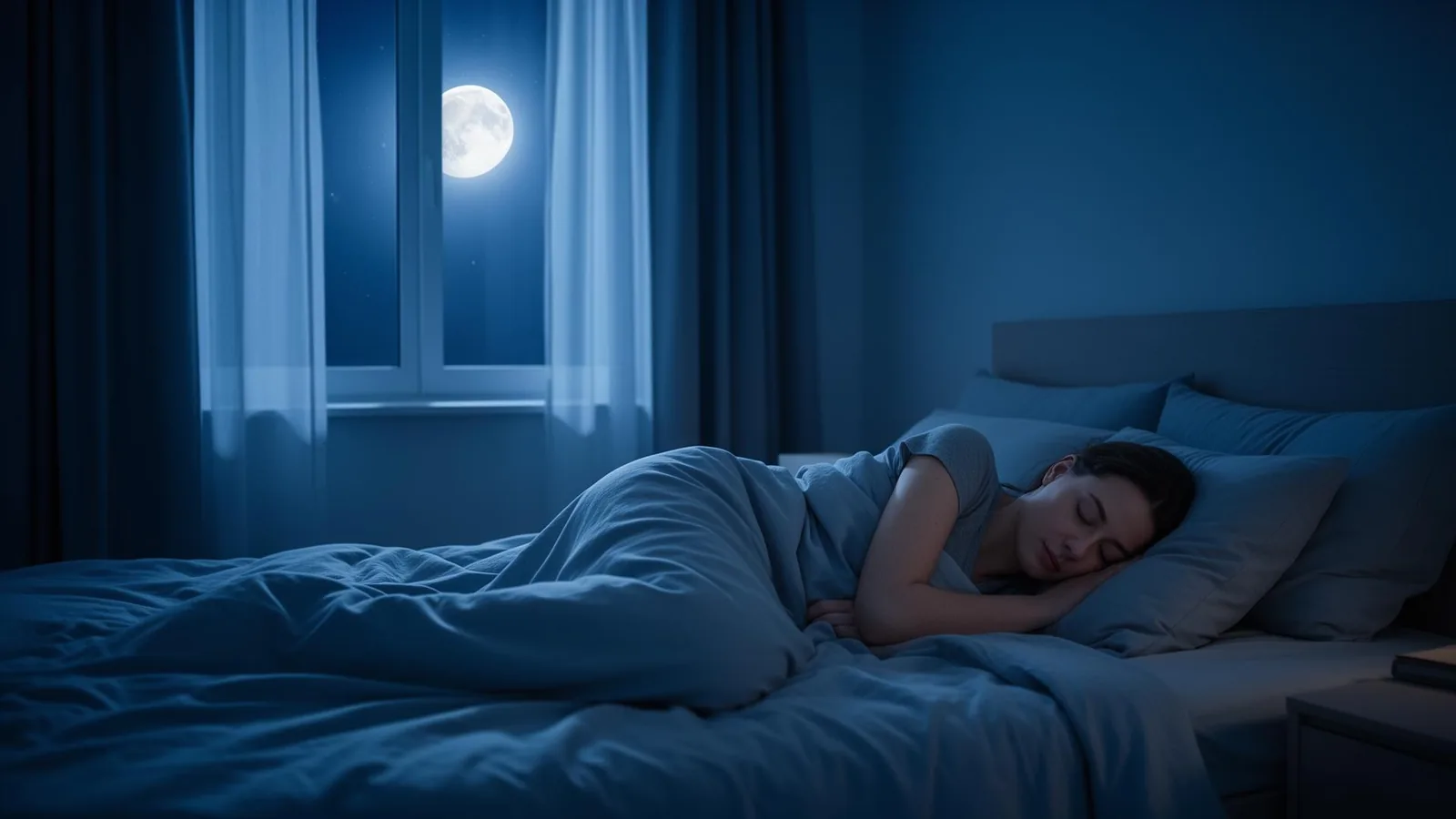
We often focus on diet and exercise when we want to lose weight. But scientific research shows that sleep is one of the most underestimated factors for sustainable weight loss, hormones, and mental health. This is not just a biological truth – it is one of the most painful lessons I learned on my journey from 185 kilos down to 70.
During my heaviest years, I slept poorly. Not occasionally – but chronically. I didn't know then how much it affected everything else. My hunger. My cravings. My ability to make decisions. My will to even step out the door. Sleep was the invisible enemy sabotaging every attempt to change my life. And I had no idea.
This article is about sleep. But really, it is about everything sleep touches: your weight, your hormones, your brain, your self-esteem, your ability to resist impulses, your relationship with food – and your ability to truly change your life.
Chapter 1: The Science Behind Sleep and Weight
The Bidirectional Spiral
The relationship between sleep and obesity is well-documented in medical research. A study published in Nutrition, Metabolism and Cardiovascular Diseases (2025) confirms that sleep and obesity have a bidirectional relationship – they reinforce each other in a complex interplay of behavioral, physiological, and hormonal mechanisms.
This means that poor sleep doesn't just lead to weight gain – being overweight itself worsens sleep quality. You end up in a downward spiral that becomes harder to break the longer it continues.
I lived in that spiral for over fifteen years. The heavier I got, the worse I slept. The worse I slept, the more I ate. The more I ate, the heavier I got. It was a trap with no visible exit.
What Happens in the Body During Sleep Deprivation?
When we sleep too little, several measurable changes occur in the body:
- Ghrelin increases – the hunger-stimulating hormone can increase by up to 28% with sleep deprivation. It's as if the body turns the hunger dial to maximum.
- Leptin decreases – the hormone that signals satiety drops, meaning you never feel truly satisfied after a meal. You eat more, but you're never full.
- Cortisol rises – the stress hormone that promotes fat storage, especially around the belly. Chronically elevated cortisol isn't just bad for weight – it breaks down muscle, impairs the immune system, and increases the risk of cardiovascular disease.
- Insulin sensitivity worsens – after just one week of poor sleep, insulin sensitivity can decrease by up to 30%. This means your body handles sugar worse, and the risk of type 2 diabetes increases significantly.
A meta-analysis of 45 studies shows that people who sleep less than 6 hours per night have a 55% higher risk of obesity compared to those who sleep 7-8 hours. In children, the connection is even stronger – children who sleep too little have an 89% higher risk of developing obesity.
Adenosine and the Chemistry of Sleep
Understand sleep chemistry and you understand why the body collapses without rest. Throughout the day, a chemical called adenosine accumulates in the brain. Adenosine is a byproduct of cellular activity – the more you're awake and active, the more adenosine builds up. Adenosine binds to receptors in the brain and creates the sleepiness you feel in the evening.
Caffeine works by blocking adenosine receptors. It doesn't remove tiredness – it masks it. When the caffeine wears off, all that accumulated adenosine rushes back with full force, which explains the well-known "caffeine crash."
During deep sleep, adenosine is cleared from the brain. It's the body's natural "reset." If you don't sleep deeply enough, or long enough, adenosine remains – and you wake up already tired. Day after day, this sleep deficit accumulates as a debt the body eventually demands payment for.
Circadian Rhythm – Your Internal Clock
Your body is governed by a biological clock called the circadian rhythm. This clock is primarily regulated by light and darkness and governs hundreds of processes in the body: hormone production, body temperature, appetite, mood, cognitive function, and cell repair.
The suprachiasmatic nucleus (SCN) in the hypothalamus functions as the brain's master clock. It receives light signals from the retina and synchronizes all the body's peripheral clocks – in the liver, muscles, fat tissue, and gut.
When this rhythm is disrupted – through shift work, jet lag, irregular sleep habits, or late-night screen exposure – not only sleep is affected but the entire body's metabolism. Research at Northwestern University has shown that people with shifted circadian rhythms have higher levels of inflammatory markers, insulin resistance, and key risk factors for metabolic syndrome.
Chapter 2: Sleep Deprivation and Emotional Eating
The Brain's Decision System Under Pressure
It's not just about hormones. Sleep deprivation affects the prefrontal cortex – the brain's center for decision-making and impulse control. This is the part of the brain that helps you say no to the third cookie, choose salad instead of pizza, turn off Netflix and go to bed.
Researchers at the University of California, Berkeley, showed using brain imaging (fMRI) that sleep deprivation increases activity in the brain's reward center (striatum) when we see food, especially energy-dense foods rich in sugar and fat. Simultaneously, activity decreases in the prefrontal cortex – the areas that help us resist impulses.
The result? Imagine sitting behind the wheel of a car with the accelerator floored and the brakes barely working. That's your brain during sleep deprivation. You see food, the reward system screams "YES!", and the rational part of the brain that normally says "wait, this isn't good for you" is too tired to protest.
Numbers That Speak for Themselves
When we're tired:
- We have 32% worse impulse control according to studies at the University of Pennsylvania
- Our calorie intake increases on average by 300-400 calories per day – that's roughly 14 extra kilos of body weight per year if it becomes chronic
- We more often choose sugar and fast food over nutritious food – studies show preference for energy-dense foods increases by 33% with sleep deprivation
- Our motivation for physical activity decreases by up to 24% – we move less, take the elevator instead of stairs, skip the walk
My Own Experience with Night Eating
I remember standing in front of the refrigerator in the middle of the night, looking for something to eat. It could be two, three in the morning. It wasn't hunger – it was tiredness and emptiness seeking quick comfort. The body was screaming for energy, but what it actually needed was sleep.
Night Eating Syndrome (NES) is a recognized condition that affects an estimated 1.5-5.7% of the population, but significantly more among people with obesity. It is characterized by consuming more than 25% of daily caloric intake after the evening meal, or waking up to eat at night at least twice a week.
During my worst years, I met all of these criteria. I didn't eat because I was hungry. I ate because my body was out of balance – hormonally, emotionally, and circadianly. Sleep deprivation had hijacked my reward system, and food was the only comfort that still worked in the middle of the night.
Sleep Deprivation and Dopamine Regulation
Research published in the Journal of Neuroscience shows that sleep deprivation alters the dopamine system – the system that drives motivation, reward, and pleasure. After a night without sleep, dopamine receptors in the striatum are downregulated, meaning you need stronger stimuli to feel the same level of satisfaction.
This explains why tired people tend to seek more extreme stimuli: sharper flavors, sweeter food, stronger drinks, more intense entertainment. The brain tries to compensate for reduced dopamine sensitivity by increasing intake.
I can see how this played out in my own life. The nights I slept poorly, it wasn't just that I ate more – I ate differently. It was never salad or fruit. It was chips, chocolate, ice cream, pizza. The brain wanted explosions of flavor and sugar, not nutritious food.
Chapter 3: Sleep Architecture – What Happens During the Night
Sleep Stages and Their Functions
Sleep is not a uniform process. During the night, the brain cycles through different sleep stages in approximately 90-minute cycles:
Stage 1 (N1) – Falling Asleep: Light sleep, transition between wakefulness and sleep. Lasts 5-10 minutes. Muscles relax, brain activity slows down.
Stage 2 (N2) – Light Sleep: Heart rate and body temperature drop. The brain produces sleep spindles – short bursts of rapid activity that help consolidate memories. About 50% of the night is spent in this stage.
Stage 3 (N3) – Deep Sleep (Slow-Wave Sleep): The most restorative stage. Growth hormone is released, tissues are repaired, the immune system is strengthened, and the brain undergoes a form of cleansing through the glymphatic system. It's during deep sleep that the body does its heavy restoration work.
REM Sleep (Rapid Eye Movement): The dream stage. The brain is almost as active as during wakefulness, but the body is paralyzed (to prevent us from acting out our dreams). REM sleep is crucial for emotional processing, creativity, and memory consolidation. This is where the brain processes the day's experiences and integrates them into long-term memory.
Why Each Stage Matters for Weight
Deep sleep and metabolism: During deep sleep, 70-80% of daily growth hormone (GH) is released. Growth hormone is crucial for fat metabolism – it stimulates the breakdown of fatty acids and increases muscle protein synthesis. People with reduced deep sleep have lower GH levels and often find it harder to lose weight.
REM sleep and emotional regulation: REM sleep functions as a form of "overnight emotional therapy." During REM, the brain processes emotional experiences in a safe environment without stress hormones (norepinephrine is suppressed during REM). When REM sleep is disrupted – for example by alcohol, stress, or sleep medication – unprocessed emotions accumulate, which can lead to increased anxiety, depression, and emotional eating.
Alcohol is a particularly treacherous sleep disruptor. While it may help you fall asleep faster, it fragments sleep during the second half of the night and reduces REM sleep by 20-40%. The result: you wake up groggy, emotionally vulnerable, and with a higher tendency to seek comfort in food.
The Glymphatic System – The Brain's Dishwasher
One of the most fascinating discoveries in sleep research in recent years is the glymphatic system. Discovered by Maiken Nedergaard at the University of Rochester in 2012, this system functions as the brain's cleaning system.
During deep sleep, brain cells shrink by approximately 60%, creating space for cerebrospinal fluid to flush through brain tissue and wash away waste products – including beta-amyloid, a protein linked to Alzheimer's disease.
The glymphatic system is nearly entirely inactive during wakefulness. This means that if you don't sleep deeply enough or long enough, toxins accumulate in the brain. Chronic sleep deprivation has been linked to increased risk of neurodegenerative diseases, cognitive decline, and – relevant to weight control – impaired decision-making and impulse control.
Chapter 4: Sleep and Hormonal Recovery
The Hormones' Night Shift
During sleep, critical processes for weight regulation occur that cannot be replaced by any diet or exercise routine:
Growth Hormone (GH): Released primarily during the first deep sleep periods. GH stimulates fat burning, muscle repair, and cell renewal. Disrupted sleep can reduce GH secretion by up to 75%.
Cortisol: Follows a distinct circadian rhythm. Levels should be lowest at midnight and rise gradually toward morning (cortisol awakening response). Sleep deprivation disrupts this rhythm and leads to chronically elevated evening cortisol, which promotes fat storage, muscle catabolism, and insulin resistance.
Leptin and Ghrelin: Leptin levels rise during the night and ghrelin drops, which is part of why healthy sleepers don't wake up hungry in the middle of the night. Sleep deprivation reverses this balance – ghrelin increases, leptin decreases, and you wake up with an appetite that doesn't match your actual energy needs.
Thyroid Hormone (TSH): TSH secretion is closely linked to sleep patterns. Chronic sleep deprivation can lead to suboptimal thyroid function, lowering basal metabolism and making weight loss harder.
Testosterone: In men, the majority of testosterone is produced during sleep. Studies show that just one week of sleep restriction (5 hours per night) can lower testosterone levels by 10-15% – equivalent to 10-15 years of aging. Low testosterone is linked to increased fat mass, decreased muscle mass, and lower motivation.
Insulin Resistance – The Silent Danger
One of the most alarming effects of sleep deprivation is its impact on insulin sensitivity. A study published in the Annals of Internal Medicine showed that healthy young men restricted to 4.5 hours of sleep per night for four days exhibited insulin sensitivity comparable to people with prediabetes.
Think about that: four days of poor sleep can create metabolic changes that normally take years of unhealthy lifestyle to develop. It shows how powerful sleep is as a metabolic regulator.
During my own transformation, I gradually realized that quality sleep was as important as diet. It was during sleep that the body repaired itself after training, muscles grew, the brain processed the day's experiences, and the hormone system reset. Sleep wasn't passive rest – it was active healing.
Chapter 5: Sleep, Inflammation, and Gut Health
The Inflammatory Connection
Chronic sleep deprivation triggers a systemic inflammatory process in the body. Research shows that even a single night of total sleep deprivation increases levels of pro-inflammatory cytokines such as IL-6 and TNF-alpha.
Chronic low-grade inflammation – sometimes called "meta-inflammation" – is a key component of metabolic syndrome, type 2 diabetes, cardiovascular disease, and depression. It's the same type of inflammation seen in obesity, and sleep deprivation amplifies it.
Inflammation also affects the brain. Neuroinflammation damages the hypothalamus – the part of the brain that regulates appetite, energy balance, and hormone production. This means sleep deprivation doesn't just give you hormonal problems – it damages the very control center that manages the hormonal system.
The Gut Microbiome and Sleep
Research at Uppsala University has shown that just two nights of sleep deprivation alters the composition of the gut microbiome. Diversity decreases, and the proportion of bacteria linked to obesity and metabolic disorders increases.
The gut and brain communicate through the so-called gut-brain axis. 95% of the body's serotonin is produced in the gut, and the gut microbiome influences the production of hormones, neurotransmitters, and inflammatory markers.
A disrupted gut microbiome can worsen cravings, impair mood, increase anxiety, and reduce motivation – all factors that make it harder to maintain healthy habits. Sleep deprivation therefore creates not only hormonal imbalance but also an imbalance in the microbial environment that affects everything from digestion to emotional state.
Chapter 6: Sleep's Role in Mental Health and Identity
Depression, Anxiety, and Sleep
The connection between sleep and mental illness is bidirectional and strong. Insomnia increases the risk of depression by a factor of 2-3, and people with depression are 75% more likely to suffer from sleep problems.
During my heaviest years, I lived with a constant fatigue that colored everything. The world seemed gray, opportunities seemed closed, and I felt like a spectator in my own life. I didn't understand that much of this was connected to my sleep – or rather, the lack of it.
Sleep deprivation affects the amygdala – the brain's emotional center – and increases its reactivity by up to 60%. This means everything feels more intense: stress becomes overwhelming, small setbacks feel like catastrophes, and emotional stability disappears.
Sleep and Self-Image
An aspect rarely discussed is sleep's impact on self-image. Research shows that sleep deprivation leads to:
- Negative thinking and rumination
- Increased self-criticism
- Worsened body image
- Decreased self-efficacy
- Greater difficulty visualizing positive future scenarios
When I slept poorly, I could look in the mirror and see only my flaws. When I slept well, I could see progress, see possibilities, see a person worth fighting for. Sleep didn't change my body overnight – but it changed how I saw it.
Chapter 7: Evidence-Based Practical Tips
Here are evidence-based strategies that helped me, organized by category with scientific rationale:
Sleep Hygiene – The Fundamentals
Consistent Sleep Schedule: Go to bed and wake up at the same time every day – even on weekends. Irregular sleep is linked to a 27% higher risk of metabolic diseases (Current Biology, 2019). Your body needs predictability to optimize its internal clock. Variations of more than 30-60 minutes can disrupt the circadian rhythm.
Optimize Your Sleep Environment: Keep the bedroom dark (invest in blackout curtains), cool (60-65°F / 16-18°C is optimal – your body temperature needs to drop by about 1°C to initiate sleep), and quiet (consider earplugs or a white noise machine).
Light Hygiene: Avoid screens 60-90 minutes before bedtime – blue light suppresses melatonin production by up to 50%. If you must use a screen, use blue light filters. Expose yourself to bright daylight in the morning (at least 10-15 minutes) – this helps calibrate the circadian clock and improves sleep quality in the evening.
Diet and Timing
Caffeine Management: Avoid caffeine after 2 PM – the half-life is 5-6 hours, meaning a cup of coffee at 2 PM still has 25% of its effect at 10 PM. Some people, depending on genetic variation in the CYP1A2 gene, metabolize caffeine more slowly and may need to stop even earlier.
Alcohol and Sleep: Limit alcohol – it impairs REM sleep by 20-40% and fragments sleep cycles. While it may make it easier to fall asleep, sleep quality is dramatically worse.
Evening Meals: Don't eat large meals within 3 hours of bedtime. The stomach needs time to digest, and active digestion disrupts deep sleep. However, a small, protein-rich snack (like a handful of almonds or some cottage cheese) can help stabilize blood sugar during the night.
Magnesium: Magnesium plays a key role in sleep regulation. Magnesium deficiency – which is common in modern diets – can lead to sleep difficulties, muscle cramps, and increased stress response. Foods rich in magnesium include dark leafy greens, nuts, seeds, and whole grains.
Mental Preparation
Thought Dumping: Write down tomorrow's tasks to release your thoughts. A study from Baylor University showed that people who wrote a to-do list for the next day fell asleep on average 9 minutes faster than the control group. It may sound small, but over time it's an enormous difference.
Breathing Techniques: Practice the 4-7-8 breathing technique: breathe in for 4 seconds, hold for 7, breathe out for 8. This technique activates the parasympathetic nervous system and lowers heart rate and blood pressure. Andrew Weil, professor at the University of Arizona, has researched this technique for decades.
Progressive Muscle Relaxation: Systematically tense and relax muscle groups, from toes upward. This method has proven effective in reducing insomnia in clinical studies.
Meditation: Studies show that 10 minutes of daily meditation (mindfulness-based stress reduction, MBSR) improves sleep quality and reduces time to fall asleep by an average of 20%. MBSR works by reducing activity in the brain's default mode network – the network that's active during worry, rumination, and self-referential thinking.
Physical Activity and Sleep
Regular exercise dramatically improves sleep quality, but timing matters:
- Morning exercise (6-10 AM) provides the strongest circadian signal and improves deep sleep
- Afternoon exercise (2-5 PM) is optimal for performance and provides good sleep benefits
- Evening exercise (after 7 PM) can disrupt falling asleep in sensitive individuals, but research shows moderate evening exercise (yoga, walking) can be beneficial
Studies at Stanford University show that insomniacs who begin exercising regularly experience a 50% improvement in time to fall asleep and a 40-60 minute increase in total sleep time.
Chapter 8: Sleep's Role in Life Transformation
Sleep as the Missing Puzzle Piece
In a society that glorifies "hustling" and "grinding," sleep has become an afterthought. We celebrate people who "only sleep four hours" and view the need for sleep as a weakness. But the body doesn't work that way. You can't "hack" your way past the need for rest.
WHO has classified shift work involving sleep disruption as "probably carcinogenic" – this shows how seriously sleep deprivation is taken at a scientific level. And yet we continue to treat sleep as an obstacle rather than a tool.
My Journey Included Rest
When I lost 115 kilos, it wasn't just about what I ate or how I trained. It was about respecting my body – including its need for rest. Sleep wasn't a luxury I afforded myself – it was one of the most important interventions in my entire transformation.
The changes I experienced when I prioritized sleep were dramatic:
- My hunger normalized within days
- My cravings decreased significantly
- My energy increased, making it easier to exercise
- My mood stabilized
- I could make better decisions about food
- My body recovered faster after training
- I stopped eating at night
It was as if the body finally got the chance to heal itself, and everything else fell into place.
Sleep and Long-Term Weight Control
Research from the University of Chicago has shown that sleep quality is one of the strongest predictors of long-term weight control. In one study, participants followed the same calorie-reduced diet but with different sleep durations. The group that slept 8.5 hours per night lost 55% more fat compared to the group that slept 5.5 hours – despite eating exactly the same amount.
The sleep-deprived group instead lost more muscle mass, had higher ghrelin levels, and reported stronger hunger and more cravings. They ate just as little – but the body responded completely differently.
This is crucial to understand: your body responds differently to the same food depending on how well you sleep. Sleep isn't just "rest" – it's a metabolic multiplier that determines how efficiently your body uses energy.
Chapter 9: Technology and Modern Sleep Disruption
Blue Light and the Digital Epidemic
Our modern technology use has created an epidemic of sleep disorders. Smartphones, tablets, and computers emit blue light at a wavelength (450-490 nm) that specifically suppresses melatonin production.
A study from Harvard Medical School showed that reading on a back-lit device before bedtime:
- Delays melatonin onset by an average of 1.5 hours
- Reduces evening melatonin levels by 55%
- Shifts the circadian clock by an average of 1.5 hours
- Reduces REM sleep
- Increases next-morning tiredness
I was one of the worst offenders. During my heaviest years, I scrolled through social media late into the night. It was my escape from reality – but it sabotaged the one process that could have helped me change it.
Social Jet Lag
"Social jet lag" – the difference between your natural sleep rhythm and the socially imposed one – affects an estimated 80% of the population in modern societies. It's like living in a different time zone than your body prefers, and it has measurable health consequences.
Research shows that each hour of social jet lag increases the risk of:
- Obesity by 33%
- Metabolic syndrome by 20%
- Depression by 11%
- Cardiovascular disease by 11%
Chapter 10: The Future Begins with Sleep
Building a Sleep Culture
If you're struggling with weight and have tried everything – look at your sleep. It might be the missing puzzle piece that changes everything. Not as a quick hack or shortcut, but as a fundamental investment in your body's ability to change.
Sleep isn't about being lazy or weak. It's about giving your body the conditions it needs to function as it was designed to. It's about respecting biology instead of fighting against it.
A New Narrative Around Rest
During my heaviest years, I was ashamed of sleeping. I felt I should be "doing something" – exercising, dieting, being productive. Sleep felt like a waste of time. But it was exactly the opposite: sleep was the most productive thing I could do.
Today, I see sleep as medicine. Every night I sleep well is an investment in my health, my mental stability, my ability to make good decisions, and my body's ability to maintain the transformation I've undergone.
Your First Step
If you're going to change one single thing in your life today, I suggest this: decide on a fixed bedtime and stick to it for 30 days. Not 30 days of perfect diet. Not 30 days of intense exercise. Just 30 days of consistent sleep.
You might be surprised at how much changes.
Nothing is impossible. But everything starts with taking care of the basics. And sleep is the most fundamental of them all.
References
-
Chaput JP, et al. "Sleep timing, sleep consistency, and health in adults." Nutrition, Metabolism and Cardiovascular Diseases, 2025. DOI: 10.1016/j.numecd.2020.01.003
-
Cappuccio FP, et al. "Meta-analysis of short sleep duration and obesity." Sleep, 2008. DOI: 10.1093/sleep/31.5.619
-
Greer SM, et al. "The impact of sleep deprivation on food desire in the human brain." Nature Communications, 2013. DOI: 10.1038/ncomms3259
-
Walker M. Why We Sleep. Scribner, 2017. ISBN: 978-1501144318
-
WHO/IARC. "Carcinogenicity of night shift work." The Lancet Oncology, 2019. DOI: 10.1016/S1470-2045(19)30455-3
-
Nedergaard M. "Garbage Truck of the Brain." Science, 2013. DOI: 10.1126/science.1241224
-
Spiegel K, et al. "Impact of sleep debt on metabolic and endocrine function." The Lancet, 1999. DOI: 10.1016/S0140-6736(99)01376-8
-
Benedict C, et al. "Gut microbiota and glucometabolic alterations in response to recurrent partial sleep deprivation." Molecular Metabolism, 2016. DOI: 10.1016/j.molmet.2016.10.003
-
Nedeltcheva AV, et al. "Insufficient sleep undermines dietary efforts to reduce adiposity." Annals of Internal Medicine, 2010. DOI: 10.7326/0003-4819-153-7-201010050-00006
-
Chang AM, et al. "Evening use of light-emitting eReaders negatively affects sleep." PNAS, 2015. DOI: 10.1073/pnas.1418490112