Why Your Environment Matters More Than Willpower
You are a product of your environment more than your intentions. Learn how to design your surroundings for automatic success.
Author: Georgios Gultidis
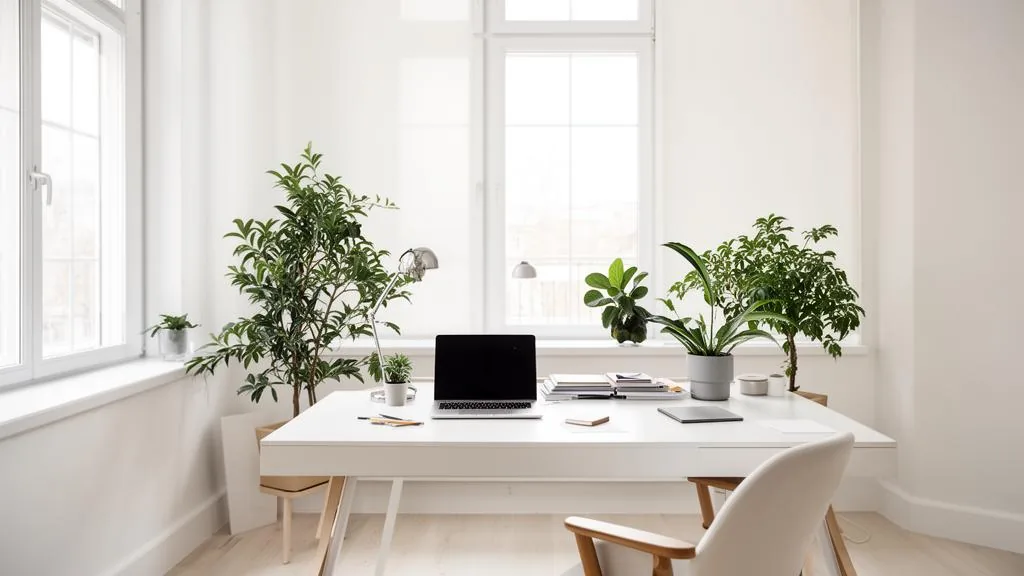
Why Your Environment Matters More Than Willpower
We've all been there: full of resolve, bursting with willpower, ready to conquer our goals. This time, it's different! We swear we'll stick to that diet, hit the gym every day, or finally write that book. But then, life happens. The sugary snacks in the pantry call to us, the comfortable couch beckons, and before we know it, our ironclad willpower has melted away like an ice cube in the sun.
Sound familiar? If so, you're not alone. For too long, society has championed willpower as the ultimate key to success. But what if we told you there's a more powerful, sustainable force at play? What if your environment, not just your internal fortitude, holds the true secret to lasting change?
This article will explore why your environment is a far more impactful determinant of success than raw willpower, offering practical tips, scientific insights, and inspiration from real-life transformations.
The Willpower Myth: Why It Often Fails Us
Willpower, while a valuable mental muscle, is finite. Think of it like a battery – it charges up overnight but drains throughout the day as you make decisions, resist temptations, and exert self-control. By the time evening rolls around, your willpower reserves are often depleted, leaving you vulnerable to old habits.
Research consistently supports this concept of "ego depletion." Studies show that people who exert significant self-control earlier in the day are more likely to give in to temptations later on. For instance, a classic study by Baumeister and colleagues demonstrated that participants who resisted cookies were less persistent on a subsequent frustrating task. This isn't a sign of weakness; it's a fundamental aspect of human psychology. Relying solely on willpower is like trying to cross a vast desert with a single bottle of water – you'll eventually run out.
The Power of Your Surroundings: Shaping Behavior Effortlessly
Instead of fighting constant battles with your diminishing willpower, imagine a world where your environment naturally steers you towards your goals. This isn't a fantasy; it's the core principle behind environmental design for behavior change.
Think about it:
- Eating Healthy: If your kitchen is stocked with fresh produce, lean proteins, and healthy snacks, you're far more likely to make good choices. If it's overflowing with chips, cookies, and sodas, resisting those temptations requires immense willpower.
- Exercising Regularly: If your gym bag is packed and by the door, your workout clothes are laid out, and your alarm is set for an early morning run, the friction to exercise is significantly reduced.
- Productivity: A tidy, minimalist workspace free of distractions makes it easier to focus than a cluttered desk with constant notifications pinging.
Your environment acts as a silent, powerful architect of your habits. It can either create friction, making good choices harder, or remove friction, making desired behaviors almost inevitable.
Georgios Gultidis's Transformation: A Testament to Environmental Design
Consider the incredible journey of Georgios Gultidis, who transformed his life from 197kg (434 lbs) to a healthy 82kg (180 lbs). His transformation wasn't solely a triumph of willpower; it was a masterful redesign of his environment.
Georgios understood that relying on sheer willpower to resist unhealthy foods in his home was a losing battle. He completely overhauled his kitchen, removing all processed foods, sugary drinks, and high-fat snacks. He made healthy ingredients readily available and convenient to prepare. His environment supported his new eating habits, making the healthier choice the default choice.
Beyond food, he likely structured his living space and daily routine to promote physical activity. Perhaps he placed his weights in a prominent, easily accessible spot, or planned walking routes as part of his commute. By consciously shaping his surroundings, Georgios created an ecosystem that nurtured his goals, making his incredible journey not just possible, but sustainable.
Practical Tips for Engineering Your Environment
Here's how you can start redesigning your environment to work for you, not against you:
- Declutter and Organize: A chaotic environment often leads to a chaotic mind. Clear out unnecessary items, organize your space, and create designated areas for different activities. This reduces visual noise and makes it easier to focus.
- "Nudge" Yourself Towards Good Habits:
- Health: Place a fruit bowl on your counter, keep water bottles at hand, pre-cut vegetables for easy snacking. Remove unhealthy temptations from sight – store them in opaque containers or better yet, don't buy them.
- Exercise: Lay out your workout clothes the night before, keep your running shoes by the front door, or set up a small home workout corner.
- Productivity: Turn off notifications, close unnecessary tabs, use website blockers for distracting sites, and create a dedicated workspace that's only for work.
- Reading/Learning: Keep a book on your nightstand, subscribe to educational podcasts, or dedicate a comfortable reading nook.
- Utilize Technology Wisely: Technology can be both a distraction and a powerful tool.
- Aretovio can be a game-changer here. Imagine an AI assistant that helps you plan meals, track habits, and suggest environmental adjustments based on your goals. Aretovio can analyze your routines and offer personalized recommendations, essentially acting as your environmental architect. It can help you identify triggers, visualize progress, and even set up "if-then" plans to mitigate environmental challenges.
- Social Environment: Your social circles significantly influence your behavior. Surround yourself with people who support your goals and inspire you. If certain friends consistently lead you astray, it might be time to set boundaries or diversify your social interactions.
- Audit Your Default Settings: What are your default actions when you come home, wake up, or feel stressed? Can you modify your environment to change these defaults? For example, if your default after work is to watch TV, can you place a book or your exercise gear in your direct line of sight instead?
- Make Desired Actions Easy, Undesired Actions Difficult: This is the golden rule. Want to drink more water? Have a full water bottle on your desk at all times. Want to stop checking social media? Delete the apps from your phone or put your phone in another room.
The Science Behind "Choice Architecture"
What we're discussing is often referred to as "choice architecture" or "nudge theory," popularized by Nobel laureate Richard Thaler. It involves subtly organizing the context in which people make decisions to influence their choices without restricting their freedom. It's about designing environments that make it easier to make the "right" choice.
By understanding and applying these principles, you're not relying on a never-ending supply of willpower. Instead, you're building a system, a supportive environment, that makes desired behaviors the path of least resistance and undesirable behaviors the path of most resistance.
Conclusion
While willpower has its place, it's a fickle friend. Your environment, on the other hand, is a constant, powerful force. By consciously and strategically designing your surroundings – from your physical space to your digital landscape and even your social circles – you can create a system that effortlessly guides you towards your goals.
Embrace the power of environmental engineering. As Georgios Gultidis's remarkable journey demonstrates, when your environment supports your aspirations, achieving even the most ambitious transformations becomes not just possible, but sustainable. Stop fighting an uphill battle with willpower and start building a path of least resistance to your stronger, healthier self.
FAQ
Q1: Is willpower completely useless then?
A1: Not at all! Willpower is like a sprint muscle, useful for overcoming initial hurdles, resisting unexpected temptations, and initiating environmental changes. However, it's not sustainable as your primary long-term strategy for behavior change. Environment design reduces the need for constant willpower exertion, making long-term success more likely.
Q2: How long does it take for environmental changes to make a difference?
A2: You'll likely notice an immediate difference in making easier choices once your environment is optimized. However, the cumulative effect of these changes, leading to habit formation and lasting transformation, can take weeks or months. Consistency in maintaining your designed environment is key.
Q3: What if I can't control elements of my environment, like a shared living space?
A3: While you might not have complete control over every aspect, you can still influence your personal space. Focus on what you can control: your immediate desk area, your half of the closet, your personal food stash, or establishing boundaries with housemates about shared items. Even small, personal environmental adjustments can make a significant difference.
Q4: How can Aretovio specifically help me with environmental design?
A4: Aretovio can be a powerful partner by helping you identify behavioral patterns and environmental triggers. It can suggest specific environmental tweaks based on your goals (e.g., "place your running shoes X," "declutter Y area"). It can also assist in creating personalized meal plans that align with your grocery availability, and track your progress, providing insights into how your environment is impacting your habits, and then offer adaptive suggestions to continuously optimize your surroundings for success.
Georgios Gultidis is the author of "The Path to a Stronger Self" and founder of Aretovio.